Steico Insulation: What is it?
Steico insulation products are an eco-friendly, high-performance building insulation, crafted primarily from natural wood fibres. Their range of materials is designed to provide comprehensive protection against cold, heat, noise, and moisture, making them suitable for both new builds and renovations in residential and commercial projects.
Key Features and Benefits
- Thermal Performance: Steico’s wood fibre insulation excels in both winter and summer. Its porous structure traps air, significantly reducing heat loss in cold weather, while its higher density helps dampen daily temperature fluctuations, keeping interiors cooler during summer heat.
- Sound Insulation: The fibrous and dense nature of Steico boards provides excellent sound insulation, reducing both external noise and sound transmission within buildings.
- Moisture Regulation: Steico insulation is vapour open and breathable, allowing moisture to pass through and preventing condensation. This helps maintain a healthy indoor environment and regulates humidity for improved air quality.
- Fire Safety: Steico’s rigid insulation panels are naturally fire resistant due to their high density, often requiring no added fire protection chemicals. In case of fire, a protective char layer forms, slowing fire spread and minimizing toxic emissions.
- Sustainability: Made from renewable wood resources, Steico insulation is recyclable and contributes to carbon sequestration. For example, insulating a typical single-family home with Steico products can lock away up to 10 tonnes of CO₂, equivalent to the emissions from 40 round-trip flights between London and Paris.
- Ease of Use: The materials are easy to handle and install, non-irritant, and can be cut with standard woodworking tools, making them user-friendly for both professionals and DIY enthusiasts.
Product Range and Applications
Steico offers a variety of insulation solutions, including:
- Rigid Boards (e.g., Steico Therm, Steico Universal): Ideal for walls, roofs, and floors, providing high compressive strength and easy installation.
- Flexible Insulation (e.g., Steico Flex): Suitable for filling cavities in timber or masonry construction, offering adaptability and excellent thermal properties.
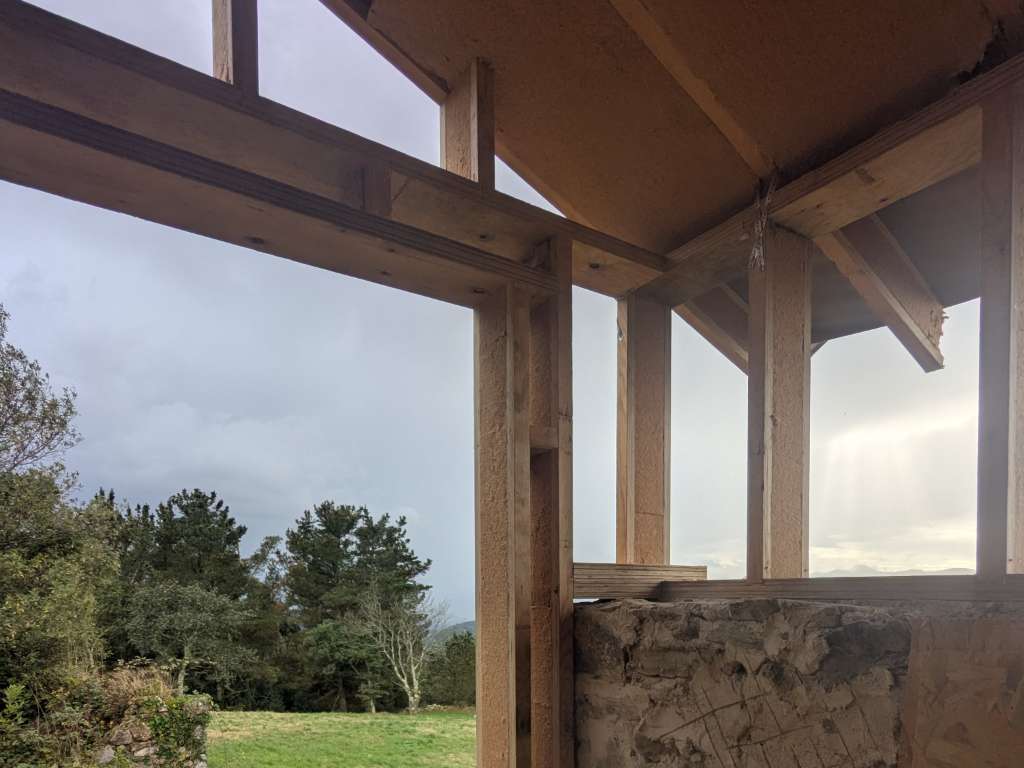
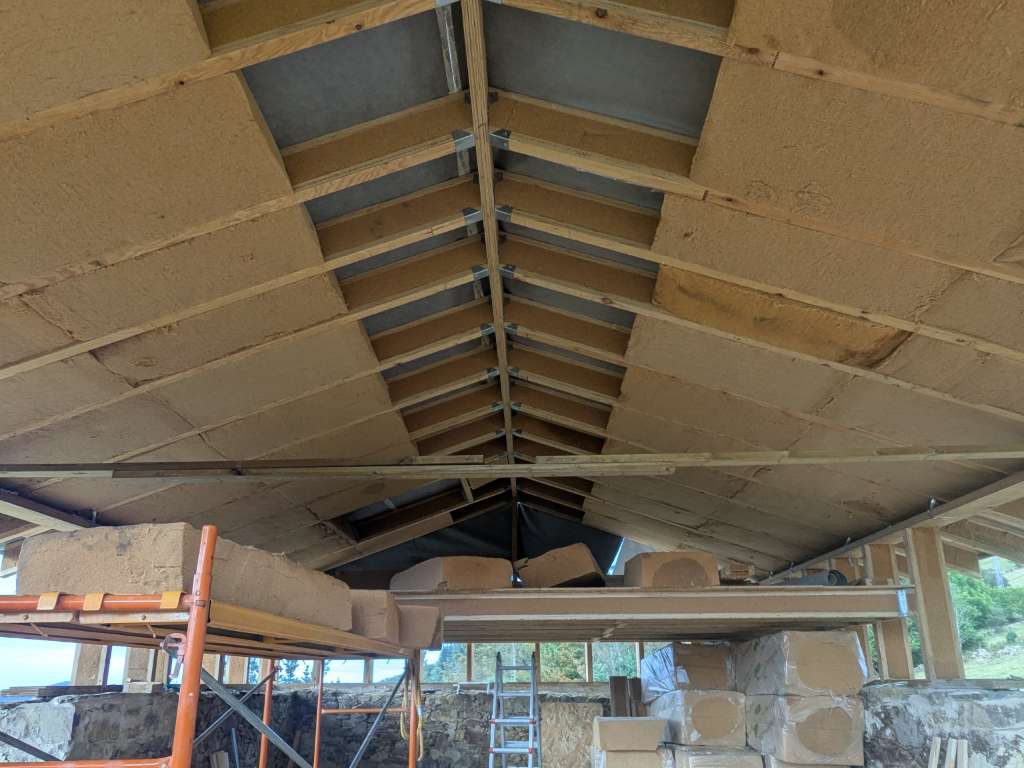
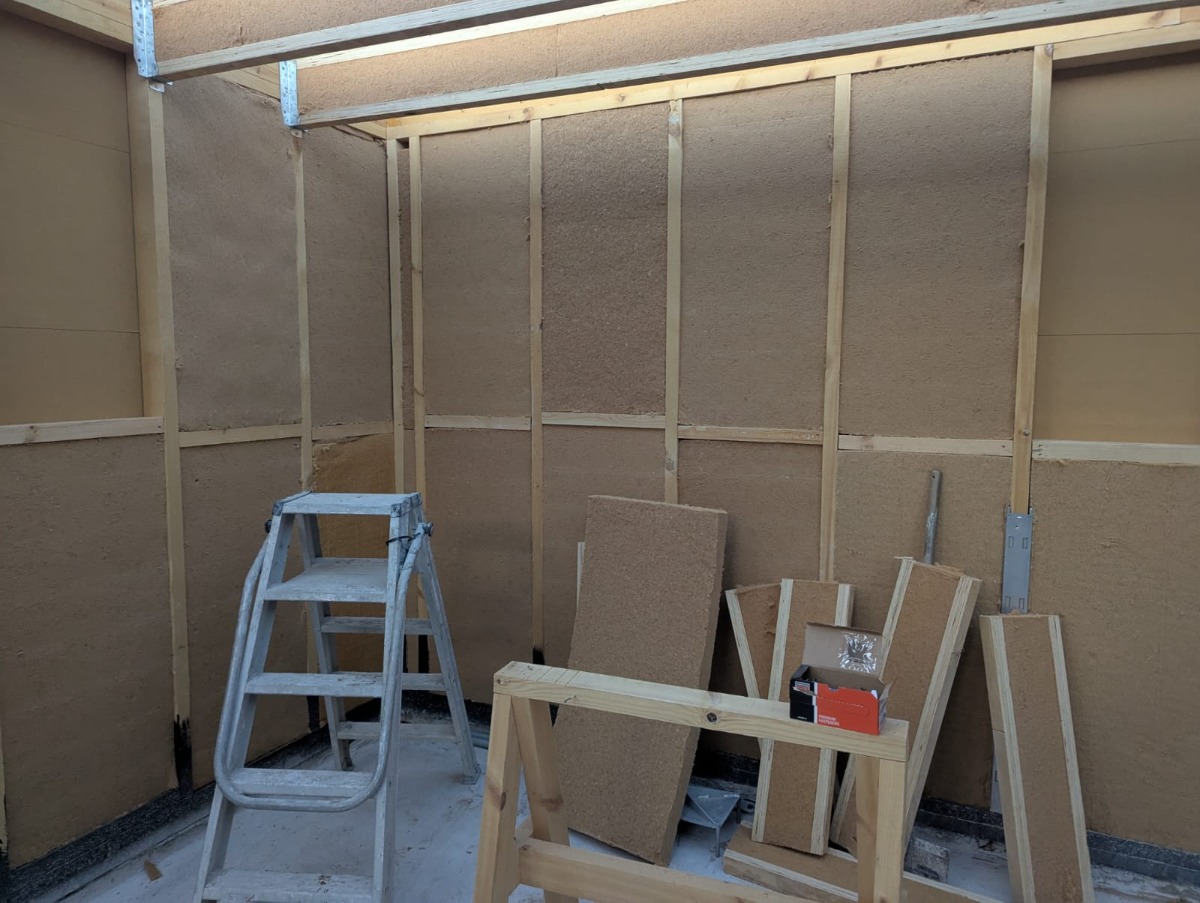
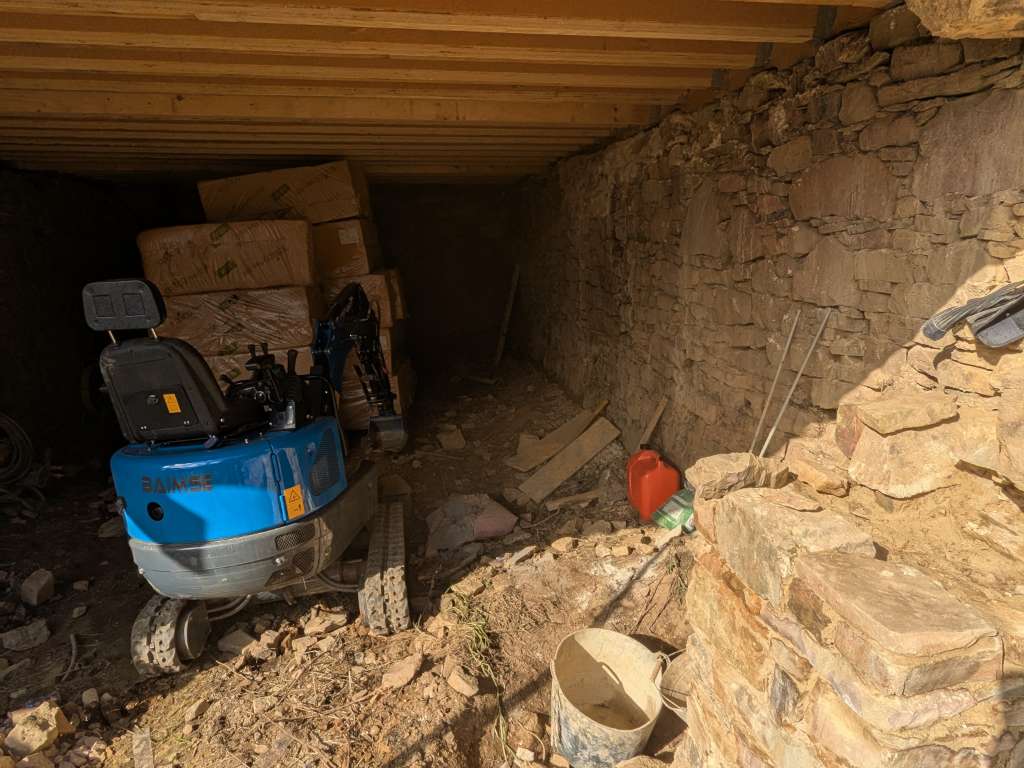
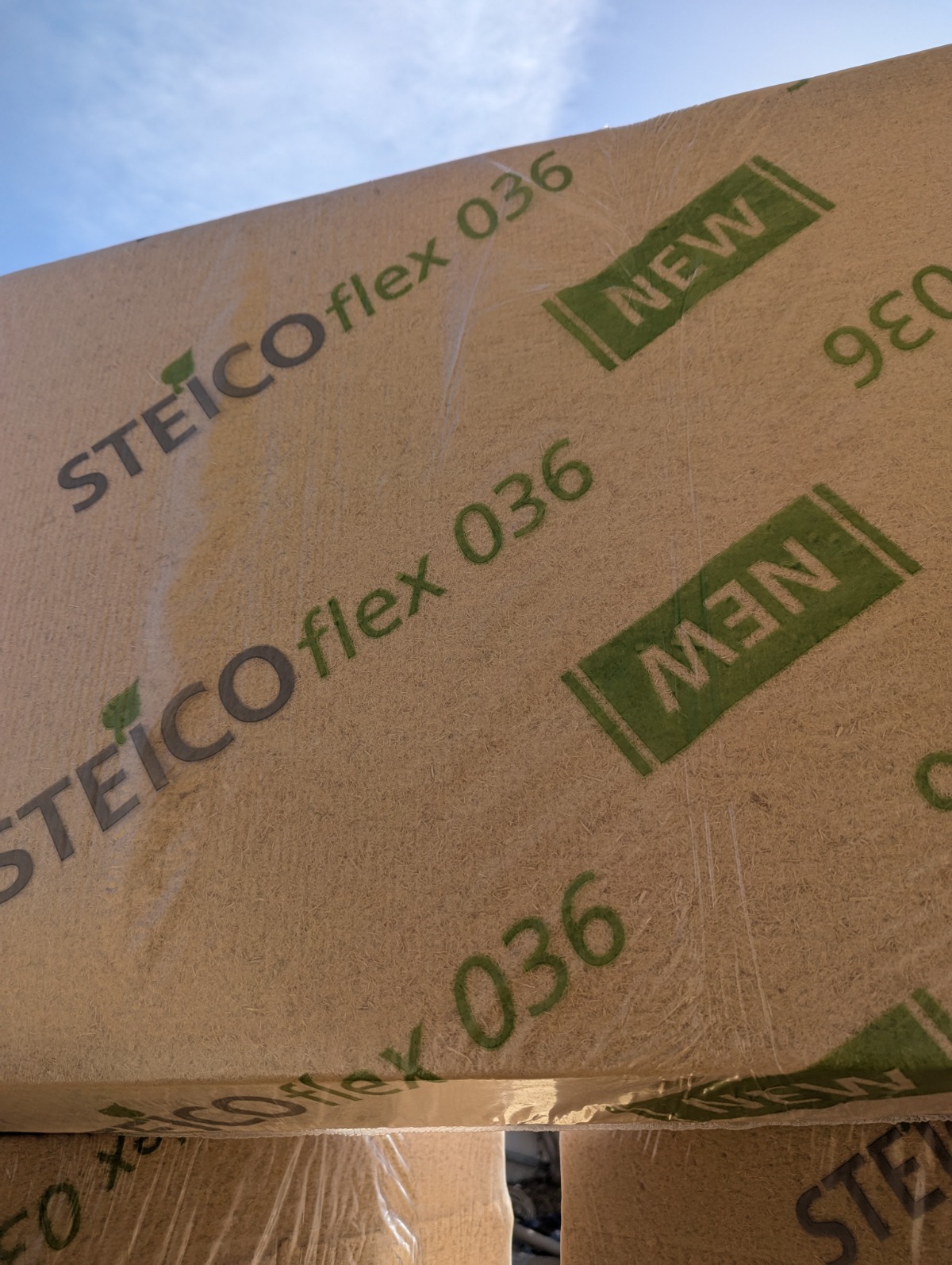
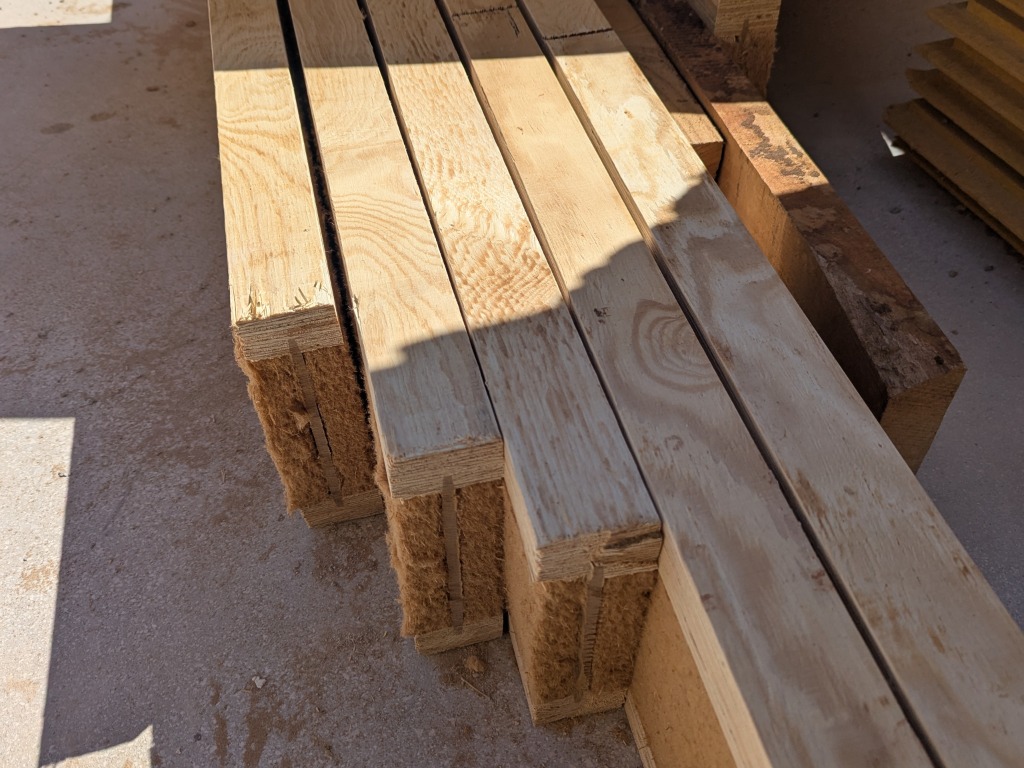
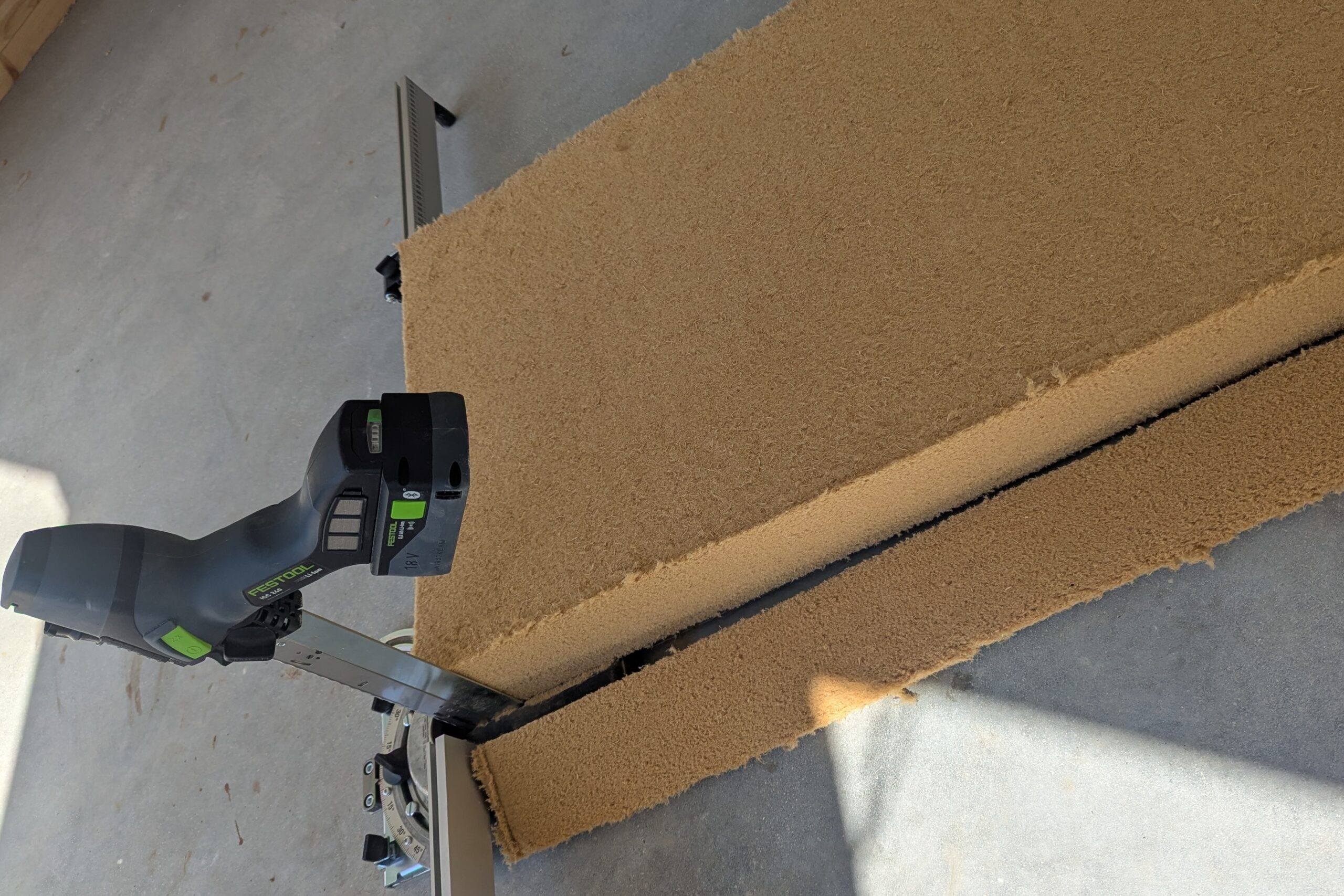
These products are suitable for internal and external wall insulation, roof insulation, floor underlays, and more, effectively improving energy efficiency and indoor comfort in a range of building types.
Environmental Impact
Steico’s commitment to sustainability is evident in its use of renewable materials and its role in climate protection. By utilising wood fibres, Steico products not only reduce the reliance on petrochemical-based insulation but also actively contribute to reducing the carbon footprint of buildings.
Conclusion
Steico insulation stands out as a natural, sustainable, and high-performance solution for modern construction. It’s often faster and cheaper to install than insulating cork renders, which are usually too expensive to install on contemporary buildings. Its combination of thermal efficiency, sound insulation, moisture regulation, fire safety, and environmental benefits makes it a good choice for those seeking to enhance building comfort while supporting ecological responsibility at a reasonable price, whilst being very fast to install.